

Have you ever walked into your home on a hot day and felt like the heat was trapped inside? You might turn on the air conditioner, but the house still feels warm and uncomfortable. One reason this happens is the roof.
Many homeowners do not realize how much heat comes from above or how much traditional roofing materials absorb and hold heat throughout the day. This is why a cooler roof is becoming a popular choice for homeowners, especially in warm and sunny areas.
In this article, we will explain what a cooler roof is, how it works, which materials are commonly used, and how it helps reduce heat buildup in simple and easy terms.
What Is a Cooler Roof?
A cooler roof is a roof designed to reflect more sunlight instead of absorbing it. Traditional roofs, especially dark ones, absorb heat from the sun all day long. That heat moves into the attic and then into the main living space.
A cooler roof reflects more sunlight and releases heat faster. Because of this, the roof surface stays cooler, and less heat enters the home. This helps keep indoor spaces more comfortable, especially during hot and sunny weather.
 What Are Common Cooler Roof Materials?
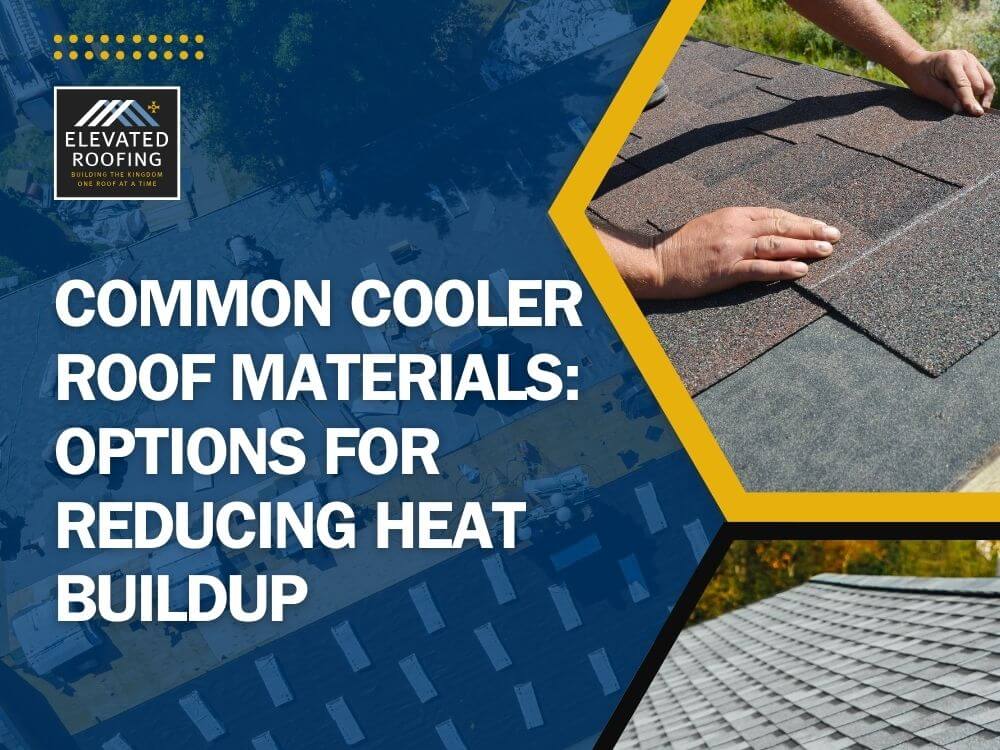
There are several materials that can be used to create a cooler roof, and each option offers different benefits depending on the home and climate.
Cool Roof Shingles
Cool roof shingles look similar to regular shingles but are made with special materials that reflect sunlight instead of absorbing heat. They come in many colors, so homeowners can still choose a style they like without giving up energy efficiency. These shingles are a popular, cooler roof option for homes.
Metal Roofing
Metal is one of the best materials for a cooler roof. It reflects sunlight naturally and cools down fast after sun exposure. Many metal roofs also have reflective coatings to improve cooling even more. Metal roofs are also strong and long-lasting.
Light-Colored Roofing
Light-colored roofs reflect more sunlight than dark ones, which helps reduce heat buildup. White and light gray roofs are common on flat or low-slope buildings. These roofs are simple but very effective as a cooler roof solution.
Reflective Roof Coatings
Reflective coatings can be added to an existing roof. These coatings turn a standard roof into a cooler roof by reflecting sunlight and reducing heat absorption. This option is often used for flat roofs and commercial buildings.
How a Cooler Roof Reduces Heat Buildup
Heat buildup happens when the sun’s rays hit the roof and get trapped. A regular roof absorbs this heat and holds onto it for hours, even after the sun goes down.
A cooler roof works in two main ways. First, it reflects sunlight back into the air instead of letting it sink into the roof. Second, it releases heat more quickly instead of trapping it. This means less heat moves into the attic and living areas.
Because of this process, a cooler roof helps lower indoor temperatures and reduces how hard your cooling system has to work.
What Are the Benefits of a Cooler Roof?
Installing a cooler roof comes with many benefits for homeowners and building owners, including:
- Improved comfort: Homes with a cooler roof stay cooler inside, especially during summer. Upper floors and attic spaces feel less hot.
- Lower energy use: Because the home stays cooler, air conditioners do not need to run as often. This can help reduce energy bills over time.
- Extended roof lifespan: Heat can damage roofing materials and cause them to wear out faster. By reducing heat buildup, a cooler roof lowers stress on the roof and helps it last longer.
- Environmental benefits: Using a cooler roof reduces energy use, which means less pollution and a smaller environmental impact.
Where Cooler Roofs Work Best
A cooler roof works best in areas with hot, sunny climates. Homes that receive strong sunlight during the day see the biggest benefits.
Even in areas with mild weather, a cooler roof can still help during warmer months. Any building that struggles with heat buildup can benefit from cooler roofing materials.
Cooler Roofs for Homes and Businesses
Both residential and commercial buildings can use a cooler roof. Homes often use cool shingles or metal roofing, while businesses may use white roofing systems or reflective coatings.
No matter the building type, a cooler roof helps manage heat, improve indoor comfort, and support energy efficiency.
Call Elevated Roofing for a Cooler Roof Today!
A cooler roof is an effective way to reduce heat buildup and improve comfort inside a home or building. By reflecting sunlight and releasing heat faster, cooler roof materials help lower indoor temperatures, reduce energy use, and protect roofing systems over time.
If you are thinking about installing or upgrading to a cooler roof, professional service matters. Elevated Roofing provides roofing installation, repair, and replacement services to help ensure your roof performs well and lasts for years. Reach out to Elevated Roofing today.



Comments are closed