

Key Takeaways
- A drip edge is a metal flashing installed along the roof edges to control water flow.
- Understanding what drip edge is helps homeowners see its role in protecting roof decks, fascia, and soffits.
- Proper drip edge for roofing installation prevents water damage, pest entry, and premature roof wear.
- Many building codes require it, and most professionals recommend it even when not mandatory.
- It is a small, cost-effective addition that provides long-term protection and value.
What Is Drip Edge, and Why Is It Essential for Roofing Installation?
A roof is one of the most important parts of any building, yet many homeowners focus only on shingles and overlook the smaller components. But those components play a major role in protection.
One such component is the drip edge. Though it may look like a simple metal strip, it performs an important function in keeping a roof durable, dry, and long-lasting.
This article explains what a drip edge is, how it works, and why it is essential for proper roofing installation, so that homeowners and property managers make better roofing decisions.
 What Is Drip Edge?
To understand what drip edge is, it is helpful to examine how water behaves on a roof. When rain hits a roof surface, it flows downward toward the edges. Without proper guidance, that water can seep under shingles or run directly onto the fascia and underlying structure.
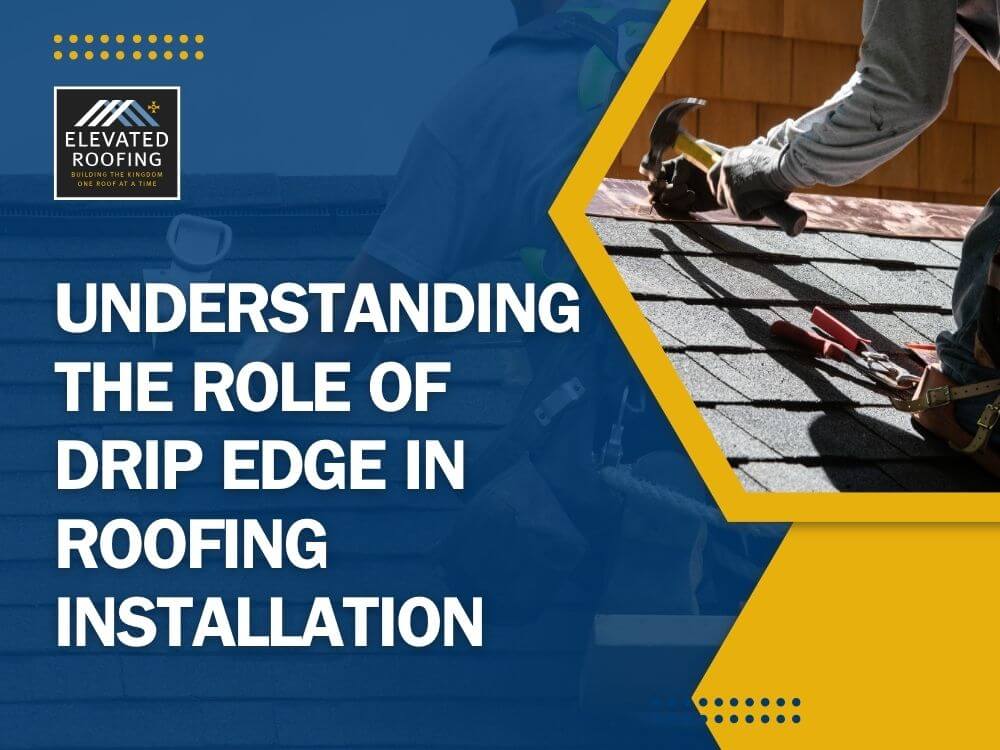
A drip edge is a metal flashing installed along the edges of a roof, usually at the eaves and rakes. Its main purpose is to direct water away from the roof deck and into the gutters. When doing so, it prevents moisture from reaching vulnerable areas such as the fascia board, soffits, and roof decking.
Typically made from aluminum, galvanized steel, or copper, this component is shaped so water drips cleanly off the edge rather than curling back toward the building.
Why Drip Edge Matters in Roofing Installation
Many people underestimate the importance of this small addition, but drip edge for roofing installation plays a significant role in protecting the entire structure.
1. It helps control water flow.
Rainwater naturally follows surfaces, and without a defined edge, it can be pulled back under the roof by surface tension. A drip edge breaks that tension and ensures water falls away from the roof.
2. It protects the roof deck.
Continuous exposure to moisture can cause wood decking to rot or weaken over time. Installing a drip edge helps extend the life of the deck and reduces the risk of costly repairs.
3. It enhances overall roof performance.
When installed correctly, it works with underlayment and shingles to create a complete moisture barrier.
Types of Drip Edge Profiles
Not all drip edges are the same. There are different profiles designed for specific roof areas.
- Type C: This is a simple L-shaped design often used on low-slope roofs.
- Type D: Sometimes called a “T-style,” this profile extends further away from the fascia, offering better water control.
- Type F: Commonly used on existing roofs, this type fits over the fascia and is ideal for retrofit projects.
Choosing the right profile depends on roof design, climate, and local building requirements. Regardless of the type, a properly selected drip edge adds strong protection to the roofing system.
 Choosing the Right Drip Edge Material
Material selection depends on budget, climate, and aesthetic preferences.
- Aluminum is lightweight, corrosion-resistant, and commonly used.
- Galvanized steel is stronger and suitable for harsher environments.
- Copper, while more expensive, offers durability and a distinctive appearance.
Regardless of the material, the goal remains the same: to provide reliable water management and edge protection.
Drip Edge for Roofing Installation Process
Proper installation is just as important as choosing the right material. During drip edge for roofing installation, placement order matters.
At the eaves, the drip edge is usually installed under the underlayment. This allows water to flow over the metal and directly into the gutter. At the rakes, it is often placed over the underlayment to protect the edges from wind-driven rain.
Fasteners should be spaced evenly, and joints should overlap to maintain continuous protection. When installed incorrectly, even the best drip edge may fail to perform as intended.
Common Misconceptions About Drip Edge
Gutters Alone Are Not Enough
Many homeowners assume gutters manage all roof water. However, without a drip edge, water may run behind gutters or miss them entirely.
Drip Edge Is Not Just Decorative
Some people assume this component is optional or purely cosmetic. In reality, the drip edge serves a functional purpose and is a critical part of a complete roofing system.
Drip Edge Is Often Not Optional
In many regions, modern building codes require the use of a drip edge. The International Residential Code (IRC), for example, specifies that a drip edge should be installed at roof eaves and rakes. This requirement exists because studies have shown that roofs without it are more prone to water damage.
Even in areas where it is not strictly required, most professional roofers recommend installing a drip edge as a best practice. It is a small investment that can prevent major problems in the future.
Schedule a Drip Edge Inspection Today
Elevated Roofing doesn’t overlook crucial elements like drip edge. We build roofs that look awesome and last for a long time. Contact us today to get a free inspection of your home!



Comments are closed