
Hailstorms are among the most destructive weather events that affect homes across the United States. Every year, homeowners face costly repairs after hail damages roofing materials, weakens structural integrity, and creates opportunities for water intrusion.
While many people prepare for hurricanes, heavy rain, or winter storms, hail can often arrive with little warning and leave significant damage behind in just a matter of minutes.
Understanding how hail damage impacts your roofing system and taking preventive action to ensure your roof is hail-storm ready can help reduce the risk of expensive repairs and extend the life of your roof.
If you’re wondering if your roof is ready for the annual DFW hailstorms, the answer depends on several factors, including your roof’s age, condition, material, and maintenance history.
 Why Hail Is Such a Serious Threat to Roofs
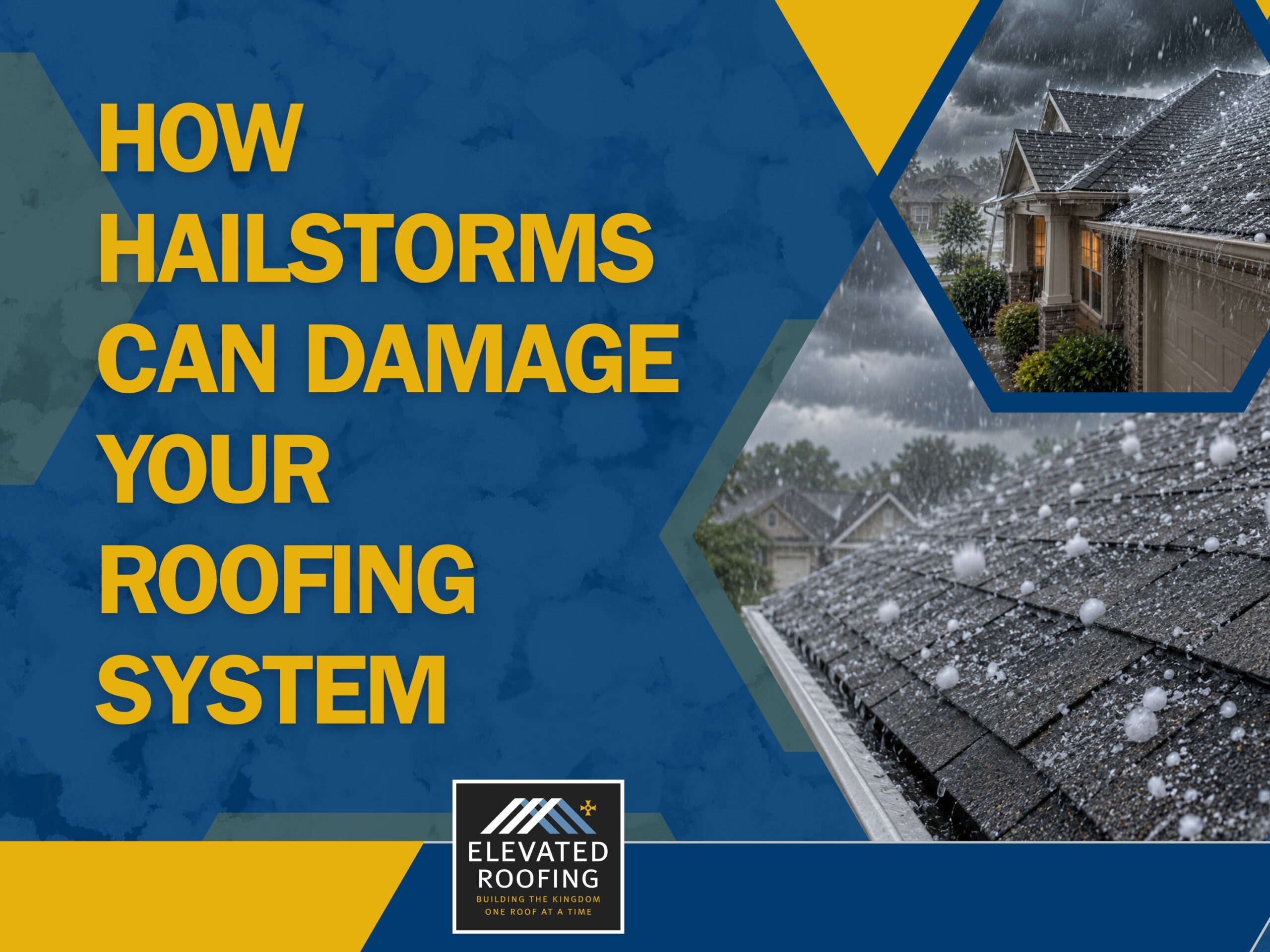
Hail forms as thunderstorms push water droplets high into the atmosphere, where temperatures are cold enough for the droplets to freeze and form ice. As these ice particles grow larger, they eventually fall to the ground at high speeds. Depending on their size, hailstones can strike a roof with enough force to crack, dent, or puncture roofing materials.
A roof serves as the first line of defense against the elements. When hail compromises that protection, moisture can penetrate underlying layers and lead to problems that are not immediately visible.
Is Your Roof Hail-Storm Ready? How to Know
Your roof isn’t hail-storm ready just because it is not leaking. A roof can have underlying weaknesses that make it more vulnerable to hail damage. A quick inspection can help you identify areas that may need attention before the next storm.
Common indicators that your roof is hail-storm ready include:
- Shingles that are in good condition and have not become brittle or lost excessive granules.
- Roofing materials that are free from cracks, curling, or other visible deterioration.
- Properly repaired areas where previous storm damage occurred.
- Secure flashing around chimneys, vents, and other roof penetrations.
- Proper drainage with no areas where water tends to collect.
Regular roof maintenance can help keep your roofing system in better condition and better prepared to withstand hail and other severe weather.
How Hail Damages Different Roofing Materials
When deciding if your roof is ready for hail season, it can help to understand how hail can affect different roofing materials.
Asphalt Shingles
Asphalt shingles remain one of the most common roofing materials in the United States, especially in the DFW area. Hail can dislodge protective granules, creating weak spots, or even crack or fracture shingles entirely.
Over time, damaged shingles become more susceptible to leaks and premature failure. In some cases, the damage may not become noticeable until months after the storm. If your roof is already old or has sustained previous unrepaired hail damage, what seems like a relatively small hailstorm may end up becoming extensive and expensive hail damage to an asphalt roof.
Metal Roofing
Metal roofs generally perform well during hailstorms, but they are not immune to damage. Large hailstones can create dents that affect the appearance and potentially impact the roof’s protective coatings. While cosmetic damage may not immediately affect performance, it can reduce property value and indicate areas that require closer inspection.
Tile and Slate Roofing
Tile and slate roofs are durable but can be vulnerable to impact damage. Hailstones may crack individual tiles or slate pieces, creating openings that allow water infiltration. Because damage can be localized, homeowners often overlook affected areas until leaks develop.
What Makes a Roof More Resistant to Hail?
A hail-resistant roof does not mean the answer to the question, “Is your roof hail-storm ready?” is always yes. However, certain features can improve performance during severe weather conditions.
Some of the factors that contribute to better hail resistance include:
- Impact-resistant roofing materials that are designed to withstand severe weather conditions.
- Proper attic ventilation that helps maintain overall roof health.
- Professional installation that follows manufacturer specifications.
- Regular maintenance and inspections to identify vulnerabilities early.
- Prompt repairs when minor damage occurs.
Investing in quality materials and workmanship can significantly improve a roof’s ability to withstand hail impacts.
The Importance of Roof Inspections Before Storm Season
One of the most effective ways to determine if your roof is hail-storm ready is through a professional inspection. Roofing experts can identify vulnerabilities that homeowners may miss and recommend repairs before severe weather arrives.
An inspection typically evaluates the condition of shingles, flashing, gutters, vents, and other critical roofing components. Catching problems early often costs far less than addressing extensive storm-related damage later.
A professional inspection can also identify hazards around the roof, such as overhanging trees or branches that could cause additional damage during a hailstorm.
What to Do After a Hailstorm
Even if your roof appears undamaged, a professional assessment is still recommended following a significant hail event. Some forms of damage are difficult to detect without close professional examination.
After a storm, homeowners should:
- Check for visible signs of damage around gutters, downspouts, siding, and outdoor equipment.
- Look for shingle granules accumulating in gutters.
- Document any visible damage with photographs.
- Schedule a professional roof inspection as soon as possible.
Early detection can prevent minor issues from becoming major structural repairs.
Is Your Roof Hail-Storm Ready? Find Out Through a Free Roof Inspection
The best and easiest way to know if your roof is ready for a hailstorm is by scheduling a free roof inspection. The experienced professionals at Elevated Roofing provide comprehensive roof inspections, storm damage assessments, repairs, and replacement services designed to keep your home protected throughout every season. Contact Elevated Roofing today to schedule a free roof inspection and gain peace of mind knowing your roof is hail-storm ready.


