


Many homeowners rarely think about their attic until a problem becomes impossible to ignore. Unfortunately, condensation in attic spaces often develops quietly and can remain hidden for months before visible damage appears. What begins as a small amount of condensation can eventually lead to mold growth, wood rot, damaged insulation, and even premature roof failure.
Since attics sit directly beneath the roof, they are particularly vulnerable to moisture-related issues. Seasonal temperature changes, poor ventilation, roof leaks, and indoor humidity can all contribute to moisture in attic spaces. Recognizing the warning signs early and addressing the root cause can help protect your home and avoid expensive repairs.
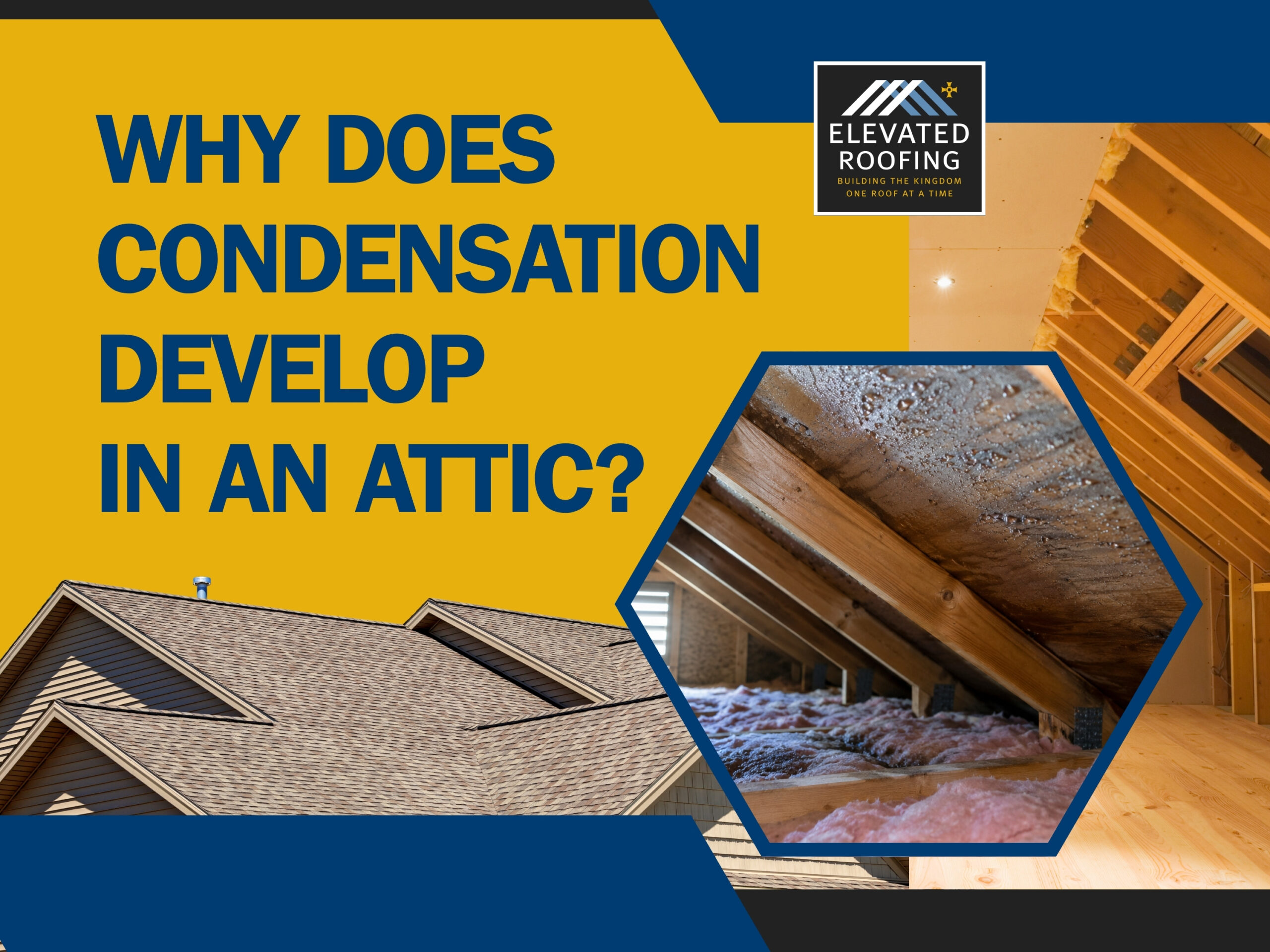 What Causes Condensation in an Attic?
Before discussing the warning signs, it is important to understand why condensation develops in an attic in the first place.
Warm air naturally rises through a home. When humid indoor air enters the attic and comes into contact with cooler roof surfaces, the moisture in that air can condense into water droplets. This process is one of the most common causes of condensation in attic spaces. Poor ventilation often makes the problem worse because the trapped moisture has no way to escape.
Common Signs of Moisture in Attic Spaces
When these signs of moisture appear in an attic, professional evaluation is strongly recommended.
Damp or Compressed Insulation
Insulation is designed to remain dry. When moisture accumulates, insulation can become compressed, matted, or waterlogged. Wet insulation loses much of its insulating value, forcing heating and cooling systems to work harder and increasing energy costs. Homeowners who notice rising utility bills alongside attic moisture may be dealing with insulation that is no longer performing effectively.
Water Stains on Wood Surfaces
One of the most obvious signs of moisture in attic areas is discoloration on rafters, roof decking, or structural framing. Brown, yellow, or dark stains often indicate repeated exposure to water. While these stains can result from roof leaks, they may also develop from persistent condensation. Determining the exact cause requires a thorough inspection of both the roofing system and attic ventilation.
Mold or Mildew Growth
Mold thrives in damp, poorly ventilated environments. If moisture remains trapped inside the attic, mold can begin growing on wood framing, insulation, or roof sheathing.
Some common indicators include:
- Black, green, or white discoloration on wood surfaces
- Musty odors coming from the attic
- Visible fungal growth near roof decking or insulation
Frost or Water Droplets on Roof Components
During colder months, condensation in attic spaces often appears as frost on nails, rafters, or the underside of roof decking. As temperatures rise, the frost melts and can drip onto insulation and wood framing.
Homeowners may mistakenly assume they have a roof leak when the actual culprit is excessive indoor humidity combined with inadequate attic ventilation.
Warped or Deteriorating Wood
Wood exposed to prolonged moisture can swell, warp, or begin to rot. Structural damage may not be immediately visible, but over time, excess moisture can weaken roof decking and supporting components.
Warning signs include:
- Curved or distorted wood framing
- Soft or spongy roof decking
- Cracking, splitting, or rotting wood members
How to Fix Condensation in an Attic
To address condensation in an attic, follow these tips.
Improve Attic Ventilation
Proper airflow is one of the most effective defenses against attic moisture. A balanced ventilation system allows fresh air to enter through intake vents and exit through exhaust vents, helping remove excess humidity before condensation develops. Common ventilation improvements may include installing additional soffit vents, ridge vents, gable vents, or attic fans when appropriate. Maintaining unobstructed airflow is essential for keeping attic spaces dry.
Seal Air Leaks Between Living Areas and the Attic
Many moisture issues begin when warm indoor air escapes into the attic through gaps around plumbing penetrations, electrical openings, recessed lighting, attic access panels, and ductwork. Professional air sealing helps reduce the movement of humid air into the attic and significantly lowers the risk of condensation.
Ensure Exhaust Fans Vent Outdoors
Bathroom fans, kitchen exhaust systems, and dryer vents should always discharge outdoors rather than into the attic. Venting moist air directly into the attic introduces a constant source of humidity that can quickly lead to mold and water damage. The U.S. Department of Energy specifically warns against venting household exhaust systems into attic spaces.
Elevated Roofing Can Help with Condensation in an Attic
Condensation in attic spaces may seem like a minor concern at first, but it can quickly lead to significant roofing and structural issues if left unaddressed. Understanding the causes of moisture in attic spaces and taking steps to improve ventilation, seal air leaks, and repair roofing issues can help protect your home for years to come.
If you suspect attic moisture is affecting your property, contact our experienced team at Elevated Roofing for a free roof inspection and reliable solutions to keep your roof and attic dry, healthy, and performing at their best.


