


A new roof is one of the most significant investments a homeowner can make. Whether you are replacing an aging roof, repairing storm damage, or upgrading your home’s appearance and protection, understanding the roofing project timeline can help you plan with confidence. Many homeowners wonder how long the process will take, what factors can cause delays, and what happens during each stage of the project.
While every roofing project is unique, most follow a similar sequence of steps. Knowing what to expect can reduce stress, improve communication with your contractor, and help ensure the project stays on track.
 Understanding the Roofing Project Timeline
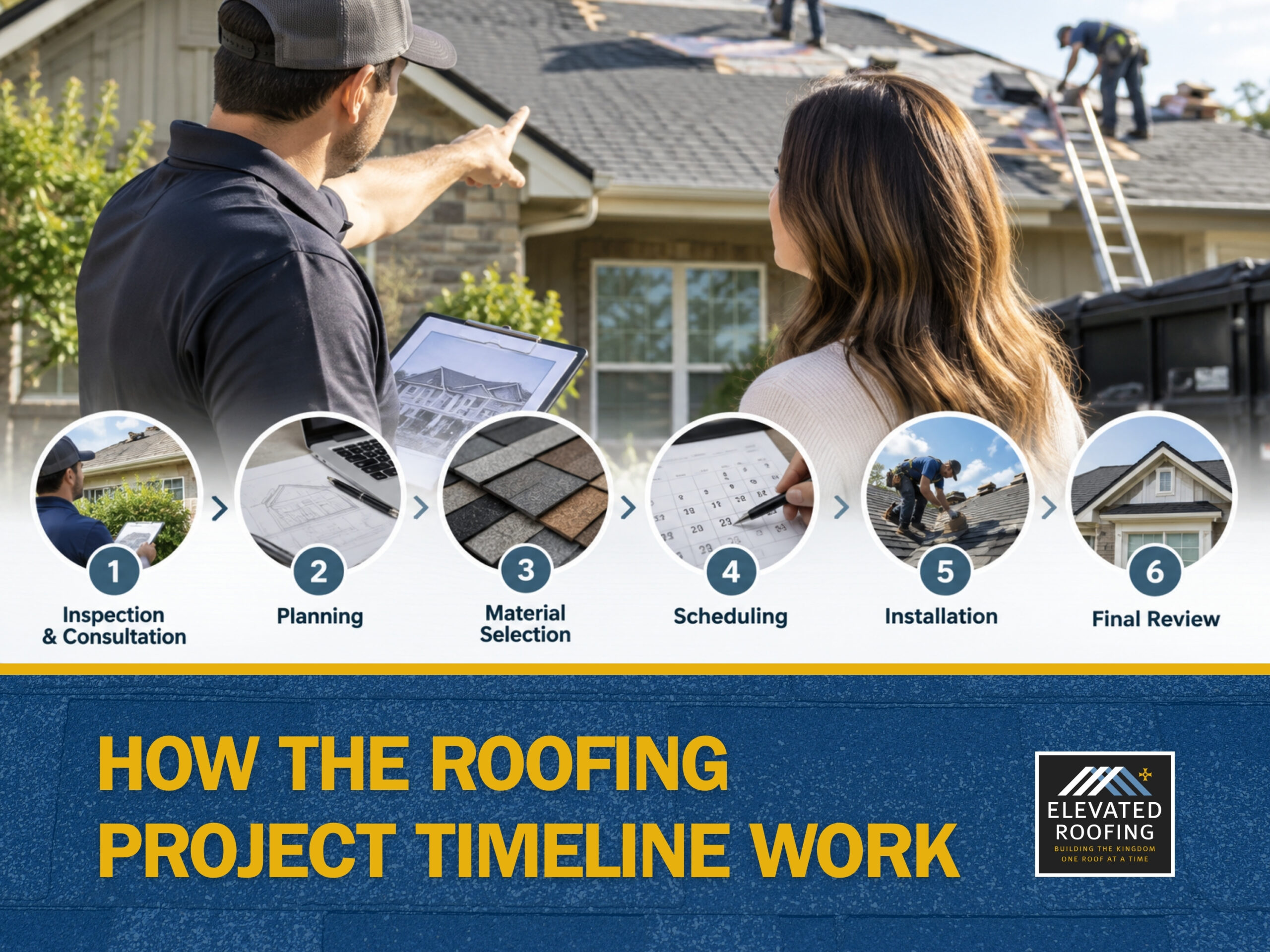
The roofing project timeline begins well before any materials arrive at your property. The process typically starts with an inspection and consultation, followed by planning, material selection, scheduling, installation, and final review.
The roofing project timeline can vary depending on the size and complexity of the roof, local permitting requirements, weather conditions, and material availability. A straightforward residential roof replacement may take only a few days for installation, while larger or more complex projects can require additional time. During the initial consultation, a roofing contractor will assess the condition of your roof and identify any issues that need attention. This evaluation helps determine the scope of work and allows the contractor to provide an accurate estimate.
Once the project is approved, the planning phase begins. This stage often includes ordering materials, coordinating schedules, and securing permits when necessary. Depending on local regulations and product availability, this portion of the roofing project timeline may take anywhere from a few days to several weeks.
The Inspection and Planning Stage
The inspection stage is critical because it establishes the foundation for the entire project. Contractors examine shingles, flashing, ventilation systems, decking, gutters, and any signs of moisture damage. In some cases, hidden issues are not discovered until the existing roofing materials are removed.
Homeowners can generally expect the planning stage to include:
- A detailed roof assessment and project estimate
- Material selection and product recommendations
- Scheduling and permit coordination when required
- Ordering roofing materials and accessories
Scheduling and Material Delivery
After planning is complete, the project moves into the scheduling phase. Roofing contractors often schedule projects based on weather forecasts, crew availability, and material delivery timelines.
Weather remains one of the most significant factors affecting any roofing project timeline. Rain, snow, high winds, or extreme temperatures can create unsafe working conditions and may require work to be postponed. Reputable contractors prioritize safety and quality over speed, which means schedules occasionally need adjustment.
Material availability can also influence project timing. Specialty roofing products, custom colors, or premium materials may require additional lead time before installation can begin.
What Happens During Roof Installation?
Once installation day arrives, homeowners often see rapid progress. The visible work may seem fast compared to the planning phase, but every step serves an important purpose in protecting the home. The first step is typically the removal of existing roofing materials. Contractors strip away old shingles and inspect the roof deck underneath. If damaged decking is discovered, repairs must be completed before new materials can be installed.
After the deck is prepared, protective underlayment and moisture barriers are installed. These components play an essential role in defending the home against water intrusion. Roofing materials are then applied according to manufacturer specifications and industry standards.
Factors That Can Extend the Roofing Project Timeline
Several variables can affect the roofing project timeline. While some delays are unavoidable, understanding these factors can help homeowners set realistic expectations.
Common influences include:
- Severe weather conditions
- Unexpected structural damage beneath the roof surface
- Complex roof designs with multiple angles and features
- Permit approval delays
- Material supply issues
Professional roofing contractors typically communicate any timeline changes promptly and explain how they may affect project completion.
Final Inspection and Cleanup
The final stage of the roofing project timeline is often overlooked, yet it is just as important as installation. Once the roof is complete, the contractor performs a thorough inspection to ensure all materials have been installed correctly and that workmanship meets quality standards.
Cleanup is also a major part of the process. Roofing crews remove debris, collect stray nails, and restore the work area. Many contractors use magnetic tools to locate metal fragments around the property and help keep the area safe for family members and pets.
Choose an Expert Roofer for a Smooth Roofing Project
Working with an experienced contractor, maintaining open communication, and preparing for possible weather-related adjustments can help keep the project moving smoothly. While the roofing project timeline varies from one project to another, a well-planned roofing installation provides long-term protection and peace of mind for homeowners.
If you are considering a roof replacement or repair, Elevated Roofing can guide you through every step of the process. Contact our team today to schedule a free roof inspection and learn what to expect from your upcoming roofing project.


